

Hoi An Ancient Town is one of Southeast Asia's most beautiful UNESCO World Heritage Sites, renowned for its yellow-walled lanes, colorful lanterns, ancient merchant houses, and a multicultural history spanning over 500 years. This guide covers everything you need to know about exploring Hoi An's old town in 2026, from entrance fees and opening hours to must-see landmarks, food, shopping, and transport.
Overview of Hoi An ancient town
Hoi An Ancient Town is located in Quang Nam Province, in Central Vietnam, along the banks of the Thu Bon River. It sits approximately 30 kilometres south of Da Nang, making it a natural add-on for travelers already visiting Da Nang or flying into Da Nang International Airport. The heart of the old town Hoi An centers around Tran Phu Street, Bach Dang Street along the riverfront, and the surrounding heritage lanes.
Hoi An Ancient Town is technically open 24/7 because it is a living town with real streets, not an enclosed museum. However, heritage sites such as old houses, assembly halls, and museums operate from 7:00 AM to 9:00 PM, while the most popular ticketed attractions are generally open from 8:30 AM to 5:30 PM. Motorcycles and road vehicles are banned from the ancient town area from 9:00 AM to 11:00 AM and 3:00 PM to 10:00 PM, making those hours the most pleasant for walking. The night market area near the river remains active until around 11:00 PM.
Visiting the streets of Hoi An old town is free at any time, but entering heritage attractions requires a ticket. Here is what you need to know:
| Visitor type | Ticket price |
| Adults (international tourists) | 120,000 VND (~$5 USD) |
| Children 1m–1.4m height | 50,000 VND |
| Children under 1m | Free |
Each ticket includes admission to 5 attractions chosen from 21 heritage sites, including old merchant houses, assembly halls, temples, and museums. Ticket stubs are valid for one day, and each tear-off section is used upon entry to each site. Tickets can be purchased at booths near the entrance to the old quarter.
What to see in Hoi An ancient town
The ancient town of Hoi An is compact enough to explore on foot, yet rich enough to keep you engaged for days.
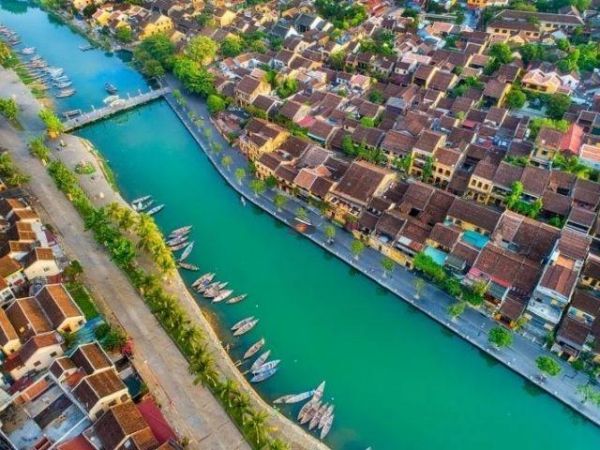
Hoai River
The Hoai River runs along the southern edge of Hoi An ancient town and is one of the most atmospheric places in the city. During the day, wooden boats drift gently across the water, while at night the river transforms into a glowing reflection of lanterns and floating candles released by visitors. A slow walk along the Bach Dang riverside promenade, especially at dusk, is one of the most romantic and iconic things to do in Hoi An old town.
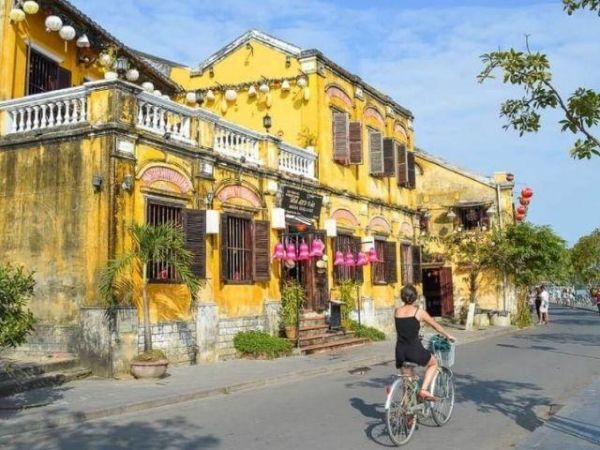
Ancient houses
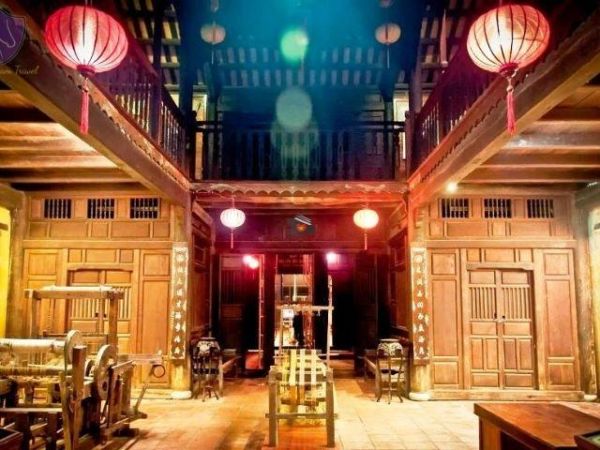
The preserved merchant houses are the soul of Hoi An Ancient Town. These historic wooden buildings, once owned by wealthy trading families, reflect a beautiful blend of Vietnamese, Japanese, and Chinese architectural styles. The most famous is Tan Ky Old House on Nguyen Thai Hoc Street, a 17th-century home with intricate carvings, antique furniture, and layered cultural details that reveal centuries of trade history. Phung Hung Old House is another popular stop, known for its blend of architectural influences and welcoming interior.
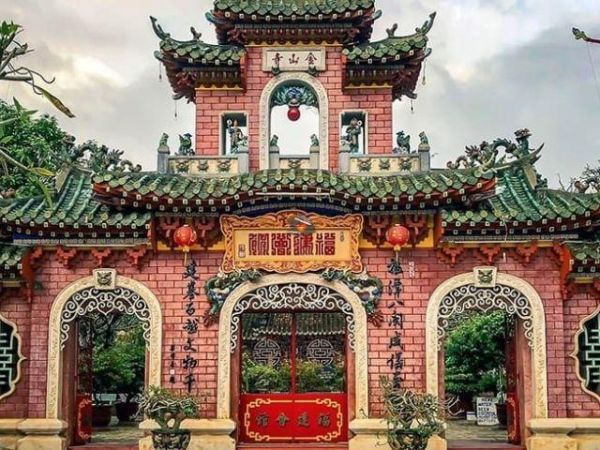
Sacred temples
Several important temples are included in the old town ticket, each reflecting the deep spiritual life that has shaped Hoi An's history. Quan Cong Temple on Tran Phu Street is one of the most-visited temples, dedicated to the revered Chinese general Quan Vu, and is known for its incense-filled atmosphere and ornate interior carvings. The Ba Mu Temple is another graceful heritage landmark often admired for its decorative gateway and quiet surroundings.
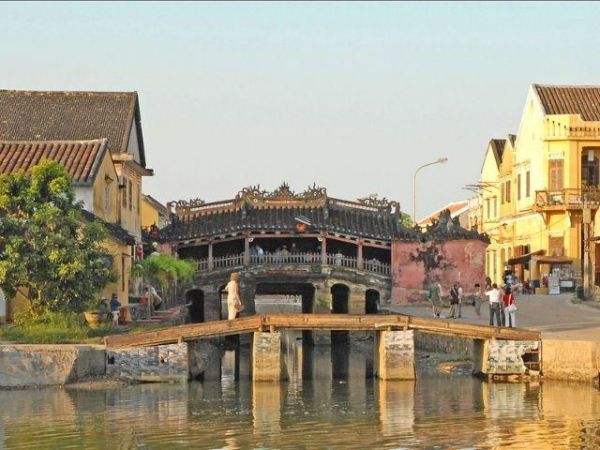
Japanese Covered Bridge (Chua Cau)
The Japanese Covered Bridge, locally known as Chua Cau, is the most iconic symbol of Hoi An ancient town. Built in the early 17th century by the Japanese merchant community, the bridge stretches across a small canal at the western end of Tran Phu Street and features a small temple inside. To reach it, visitors can simply walk west along Tran Phu Street from the central market until the bridge appears at the far end. The bridge is especially photogenic in early-morning and evening light.
Hoi An's central market
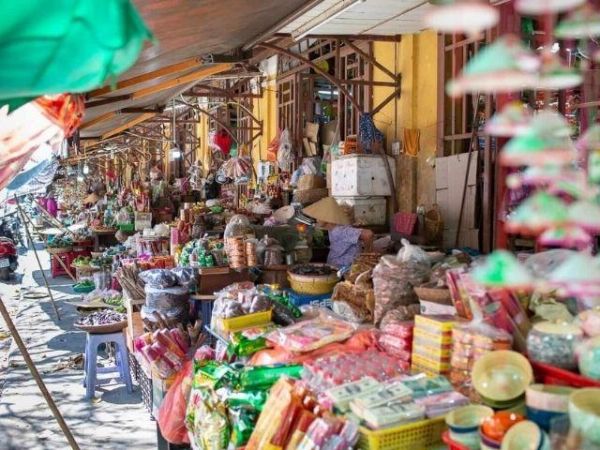
Hoi An Central Market, located between Tran Phu and Bach Dang Streets, is the most lively slice of everyday life in Hoi An's old town. Unlike the quiet yellow lanes nearby, this market feels loud, colorful, and genuinely local, with boats unloading fresh produce at dawn and vendors selling stacked baskets of herbs, fruit, seafood, and spices. Inside, the food court section features shared counters serving steaming bowls of cao lầu, mì Quảng, and various noodle soups, making it one of the easiest places to eat like a local. Arriving early morning or just before lunch gives you the fullest market experience.
Museum of Culture
Hoi An ancient town is home to several small but informative museums included in the standard ticket. The Museum of History and Culture provides a broad overview of the town's story, with artifacts spanning about 2,000 years. The Museum of Folk Culture covers traditional crafts and includes live performances. The Museum of Trade Ceramics focuses on pottery and trade goods that once passed through Hoi An's port. At the same time, the Museum of Sa Huynh Culture offers insight into the pre-Cham civilisation that once inhabited the region. These museums are best visited in the morning, when the light is good and the crowds are lower.
What to eat in Hoi An ancient town
The food scene in Hoi An ancient town is among the most exciting in Vietnam, shaped by centuries of multicultural trading history. These are the most essential dishes to try:
- Cao lầu: Chewy, thick noodles with sliced pork, herbs, and crispy rice crackers; a dish unique to Hoi An, traditionally made with water from the historic Ba Le Well
- Cơm gà: Hoi An chicken rice with fragrant yellow rice, shredded chicken, and a dipping sauce that is distinctly different from other Vietnamese versions
- White rose dumplings (Bánh vạc): Delicate translucent parcels filled with shrimp, steamed and served with a light sauce
- Mì Quảng: A central Vietnamese noodle dish with a small amount of rich broth, fresh herbs, peanuts, and various toppings
- Cao Lau Thanh and Madam Khanh's Banh Mi: These are among the most recommended street food stops inside the ancient town
Eating at Hoi An Central Market or a simple local stall is often more satisfying than large tourist restaurants because the flavors are fresher and more authentic.
What to shop for in Hoi An ancient town
Shopping is a major part of the Hoi An ancient town experience and a key reason many travelers spend more than one day in the old quarter. Here is what to look for:
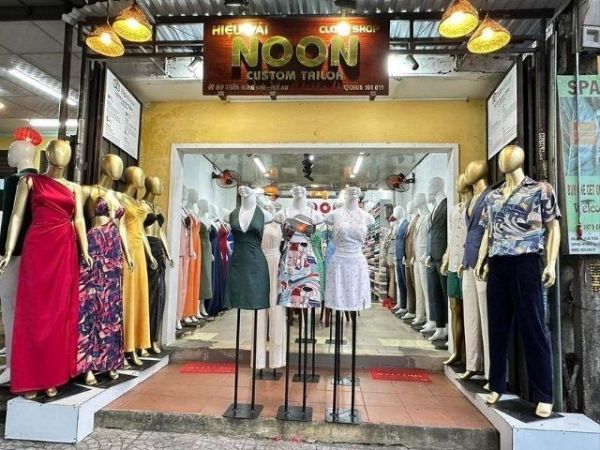
- Custom-tailored clothing: Hoi An is Vietnam's most famous destination for made-to-measure clothes, and its tailors can produce fitted shirts, dresses, suits, and traditional áo dài within 24 to 48 hours
- Handmade lanterns: Colorful silk and paper lanterns are the most iconic Hoi An souvenir, sold in many sizes and styles throughout the old town
- Silk and fabrics: Over 50 fabric stalls in the market area offer silk, cotton, and mixed textiles; serious buyers should visit the Hoi An Silk Village
- Leather goods: Handmade leather bags, wallets, and shoes can be made to order from several small workshops in the old quarter
- Handicrafts and ceramics: Hand-painted ceramics, bamboo crafts, carved wooden items, and woven goods all make meaningful gifts
Bargaining is expected at most market stalls, while tailor shops and art galleries typically have fixed or negotiable prices.
How to get to Hoi An ancient town
Getting to Hoi An ancient town is straightforward from several nearby cities:
- From Da Nang: The most common route is a 30–50 minute taxi, private car, or shuttle ride from Da Nang city center or Da Nang International Airport. Taxi, private transfer, and bus options are available.
- From Hue: The journey takes around 2.5 to 3.5 hours by car or tourist bus, passing the scenic Hai Van Pass.
- From Ho Chi Minh City or Hanoi: Fly into Da Nang and then transfer by road.
Once in Hoi An, the ancient town itself is best explored on foot or by bicycle, as most of the key landmarks are within easy walking distance of each other.
Hoi An ancient town is a destination that rewards every type of traveler — those who love history, those who live for food, those who enjoy slow afternoons in riverside cafés, and those who want to bring home something beautifully handmade. Whether you spend one full day or several, the ancient town of Hoi An offers a depth of experience that is difficult to find anywhere else in Vietnam. For curated tours, day trip ideas, and travel guides covering Hoi An and other destinations across Vietnam, visit Nha Trang Day Tours at nhatrangtour.vip and start planning your perfect Central Vietnam journey.